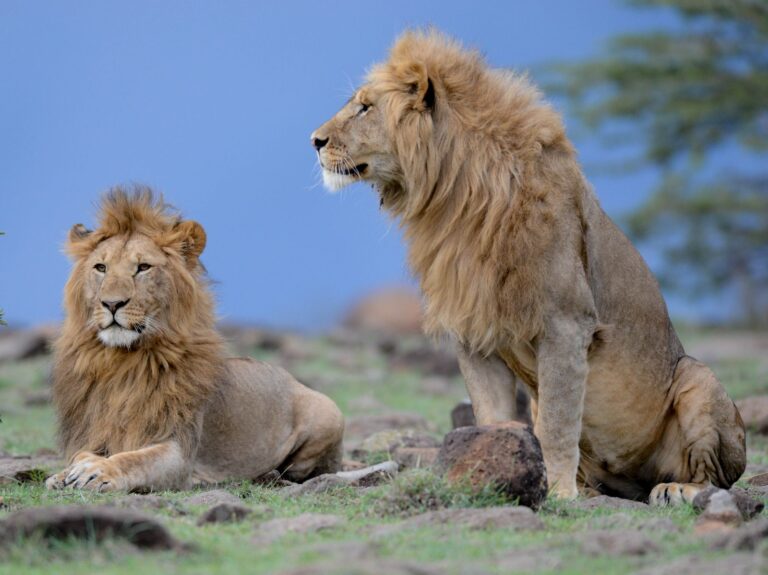
In the last 50 years, 93% of wild lions have been lost.
Welcome to LionAid - doing things differentlyClick here to find out why ▾Show less ▴
Lions are at risk
Lions are the top predator in ecosystems. Lose lions and you lose ecosystem stability and function. Lions are already extinct in 25 African nations and clinging to survival in a further 10 in small and scattered populations.
This means that only 14 African countries have lions today. To lose the lion in Africa would be considered as another in our long list of failures to keep natural populations of large predators alive. Conservationists say most natural populations of lions will be gone in the next ten to twenty years – hunted, poisoned, speared, trapped, slaughtered – if things don’t change. LionAid are working to make things really change. In the past 50 years, existing approaches to lion conservation have allowed 186,000 lions to become bleached bones or tanned skins. This is why LionAid are taking a different approach, with new ideas and new ways to protect and conserve the remaining 13,356 lions.
LionAid – doing things differently to save lions
A new approach is clearly needed, and LionAid is committed to identifying solutions that WILL make a difference. We have identified the following priorities:
- Educate the general public and schools worldwide as to what is actually happening to our top African predator; there remains an overwhelming lack of awareness of the huge decline of lions and its causes. Our conservation education work and our free KS2 “The African Lion” teaching pack bring the truth about lions, and why they matter, to the next generation.
- Convince the UK Government to effect a ban on the importation of lion trophies and indeed all lion products. The USA might be the largest importer of lion trophies, but European nations are strong contributors. For example, between 2003 and 2012 EU Member States imported a total of 2,691 lion trophies, mainly to Spain, France and Germany. European hunters are responsible for over 90% of lion trophy imports from the highly endangered western African lions.
- Conduct meetings to speed progress towards this ban with UK parliamentarians.
- Bring African lions onto the agenda to evaluate their status given current trade offtake. This is especially urgent for central and western African lions, which are genetically distinct, occur in small and scattered populations, and are declining at a rapid rate – but are still trophy hunted.
- Work together with our conservation NGO partners to jointly push forward LionAid initiatives.
- Work with African lion range states to urge them to conduct scientific lion population counts in their nations and declare lions nationally protected species, and to design and where necessary update their national lion conservation plans.
- Initiate effective and self-sustaining programmes to reduce lion/livestock conflict and thereby reduce retaliatory killing of lions. We have initiated a programme in Kenya that we hope to duplicate in many African lion range states.
- Urge the IUCN and CITES to officially list central and western African lions as “regionally endangered”. The IUCN Red List currently refers to a 2004 publication that mentions these lions as such, but no definitive listing has resulted.
- Accord the African lion “World Heritage Species” status with UNESCO. The Great Apes already have this status, and as lions occupy a highly important place within a great diversity of cultures, all the UNESCO requirements are met.
- Highlight the horrors of the canned lion hunting industry and its associated cub-petting trade, volunteer market and lion-walking business.
- Work with governments to stop the illegal wildlife trade. The trade in lion bones is accelerating and is inevitably leading to an escalation of lion poaching in poverty-stricken rural areas of Africa.
- Highlight the cub-smuggling trade which feeds the canned lion hunting industry and the pet trade, particularly to the United Arab Emirates.
- Discourage zoos worldwide from keeping and breeding lions to supply a stream of cute cubs to boost visitor numbers, and in particular to desist from breeding white lions, which have no conservation value.
Lion conservation – why there’s a need
LionAid is the only international organisation specifically dedicated to lion conservation.
Over the past 50 years, wild lion numbers in Africa have decreased from over 200,000 to around 13,356 today. The reasons for this drastic decline are varied, but the main ones can be summarised as follows:
- Prideland is becoming farmland – lions have died in numbers as a result of human/livestock conflict and retaliation. Fewer and fewer lions occur on land that used to be prideland and is now cattleland. A growing human population in Africa demands land, and over the decades wildlife has had to give way. This also means there is less and less natural prey available for lions – and they inevitably turn to livestock.
- Not all lions are the same – genetic studies have shown that lions in Africa are not all alike. In fact, western African lions are more closely related to the remaining lion population in India than to other lions in southern and eastern Africa. Latest survey results indicate there might be as few as 400 western African lions remaining, meaning these animals are critically endangered.
- Lions and disease – lions are susceptible to a number of diseases, among them canine distemper virus and bovine tuberculosis. They are also infected with Feline Immunodeficiency Virus, which has a strongly negative impact on a lion’s immune system, reproduction and survival in the wild. Infection rates can be as high as 90% in some populations.
- Trophy hunting – lions are highly sought after as trophies for sport hunters. Despite the well-documented decline in lion numbers, there is still considerable demand for trophies. During the ten years 2003–2012, a total of 3,567 lion trophies were exported from African nations (excluding South Africa), plus an additional 897 lion skins. As such trophies are largely male lions, this commercial activity has greatly impacted both overall lion numbers and the ability of remaining lions to reproduce. Western African lions continue to be trophy hunted.
- Controversial lion breeding – South Africa has embarked on a highly controversial programme to breed lions in captivity to supply a range of lion products. These have included 6,782 trophies over the ten years 2003–2012, 734 skins, and tons of lion bones exported to Asia for the traditional medicine trade. We treat South Africa as a separate issue, as these are not wild lions, but we remain highly concerned by this captive breeding: we believe it is strongly unethical and horrifyingly cruel, and there are strong indications that lions are captured in the wild to supplement the breeding populations. The supply of lion bones to Asia has also generated additional demand, and there are verified reports of lion bones (from poached or trophy-hunted animals) being exported to Asia from other lion range states as well.
Read the latest lion news, or support our work.
Our Actions

Trophy hunting
Campaigning for a total ban on lion trophy hunting and canned hunting.
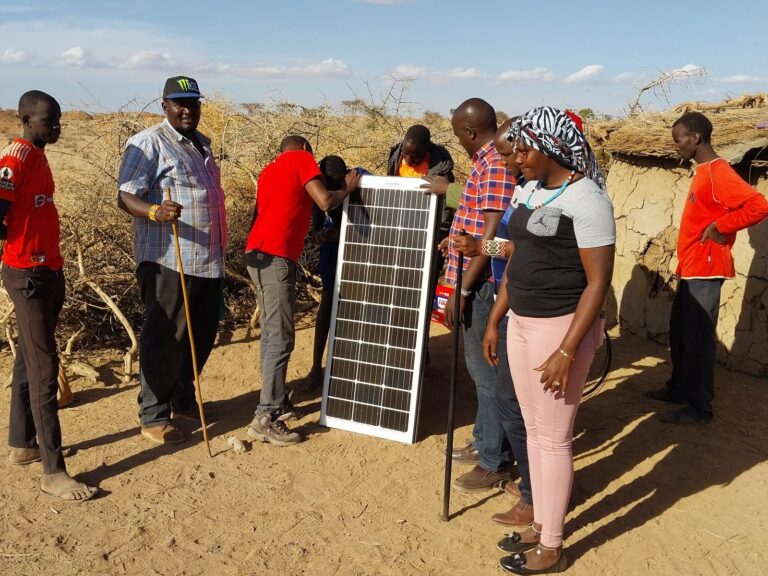
Merrueshi project
Helping Maasai communities in Kenya live alongside lions, not kill them.
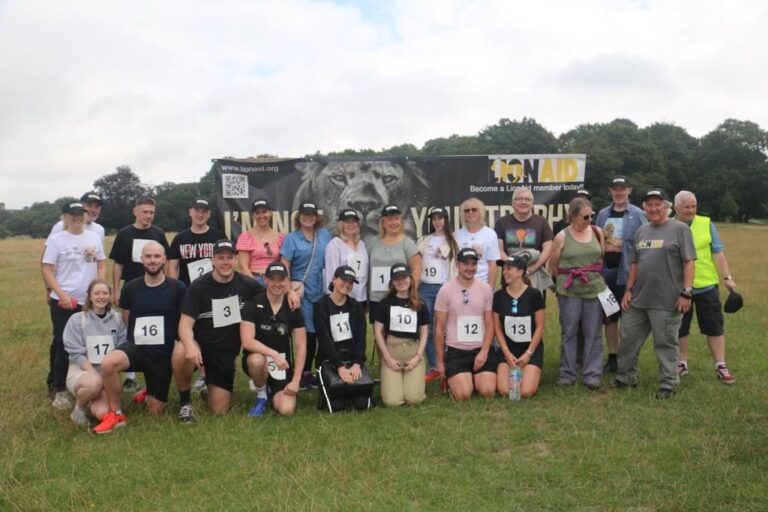
Events
Marches, climbs, concerts and challenges - raising voices and funds for lions.
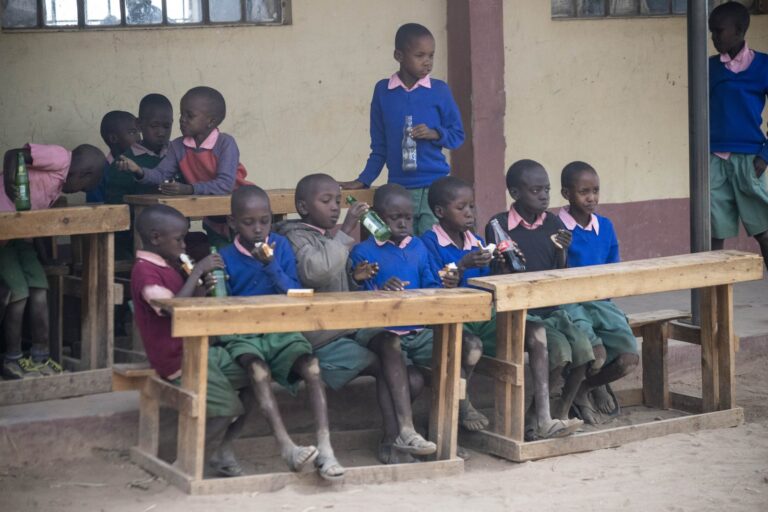
Education
Inspiring the next generation to protect lions, in Kenya and the UK.
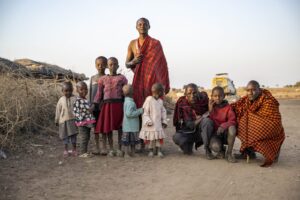
LionAid Highlights

LionAid awarded second place in the John Good Group’s Grants for Good awards
LionAid has been awarded £3,500 by the John Good Group, second place in their latest Grants for Good round, helping part-fund the seventh manyatta in Merrueshi.
Will you Vote for Us! LionAid Needs Your Support in the My Favourite Voucher Codes Charity Poll
My Favourite Voucher Codes donates 20% of its profits to charity every month, and LionAid is one of four charities in this October’s poll. Please vote for us by 31 October.
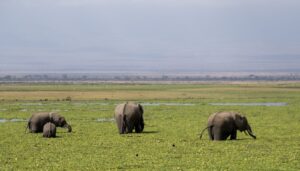
Two collared research elephants shot by trophy hunters in Botswana, one day apart
Two elephant bulls wearing satellite research collars were shot by trophy-hunting parties in Botswana on 3 and 4 September 2026, Africa Geographic has reported. The
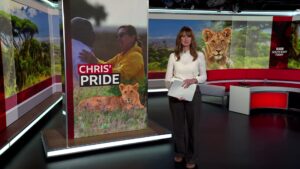
Our Merrueshi project on the BBC
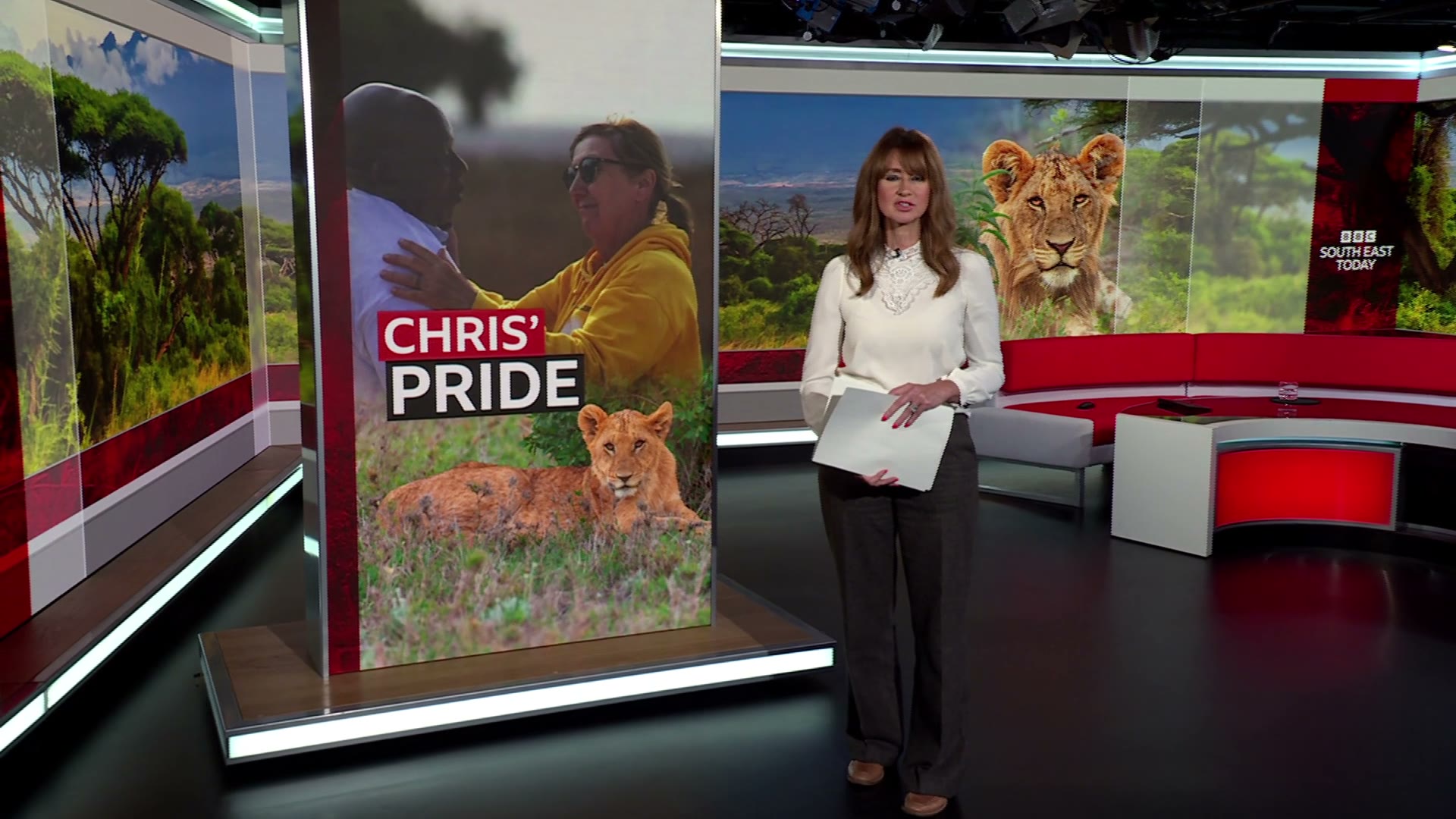
On Thursday 17 September the BBC told the story of our Merrueshi project in Kenya, and we could not be prouder. BBC South East journalist
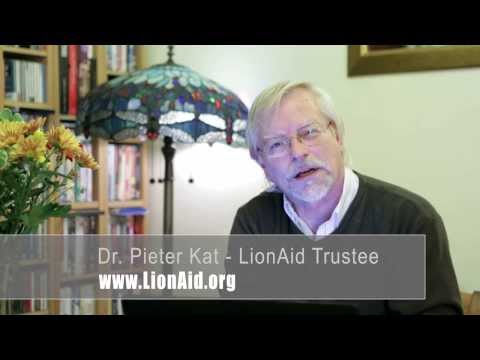
We are
Saving Lions
Present this short message from Dr Pieter Kat, Trustee of LionAid, a charity working internationally to protect wild lion populations.
Our Sponsors
MF Wild Photography+
Martin Fowkes is a seasoned photographer of African wildlife. He also organises and leads safaris to Kenya, where he has been privileged to work with some of the Masai Mara's top guides. Over the years Martin has come to know the habitats and behaviour of his subjects in depth, getting up close and personal with some of the most fascinating, and potentially dangerous, animals on the planet.

Evergreen Insurance Services+
Supporting Lion Conservation Through Ethical Insurance
At Evergreen Insurance Services, our mission is simple: to combine the essential need for insurance with a genuine commitment to giving back to causes that matter.
Founded on a passion for the natural world, Evergreen exists to support charities doing vital conservation work. We understand that everyone needs insurance—whether it’s for your home, car, holiday, or business—so we offer a responsible alternative: an insurance provider built on ethical values and meaningful impact.
By choosing Evergreen Insurance, you are not only protecting what matters most to you, but also helping to protect wildlife. We proudly support the incredible work Chris and Pieter are doing to conserve lions, and we encourage their supporters to consider Evergreen for their insurance needs.
Giving Back With Every Policy
We are committed to donating a portion of our commission to support lion conservation initiatives:
- 10% in year one
- 15% in year two
- 25% in year three and beyond
This means that every policy you take out directly contributes to safeguarding one of the world’s most iconic and endangered species.
Make Your Insurance Matter
When you choose Evergreen Insurance Services, you’re choosing more than just cover—you’re choosing to make a difference. Together, we can protect your world while helping to preserve theirs.
I look forward to supporting you with your insurance needs and, together, helping to save lions.
— Dave Gardiner, Managing Director, Evergreen Insurance Services
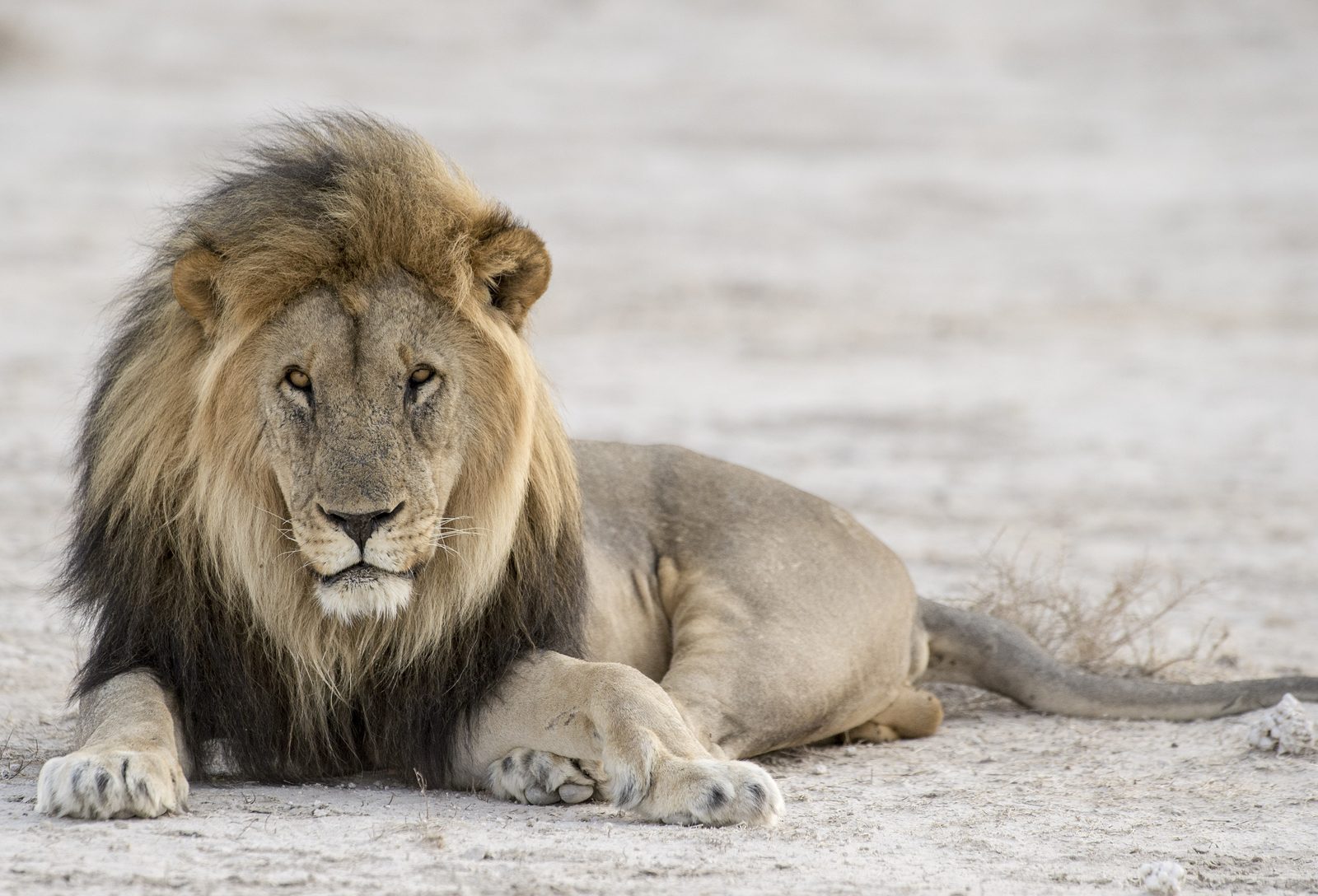
Peter Haygarth+
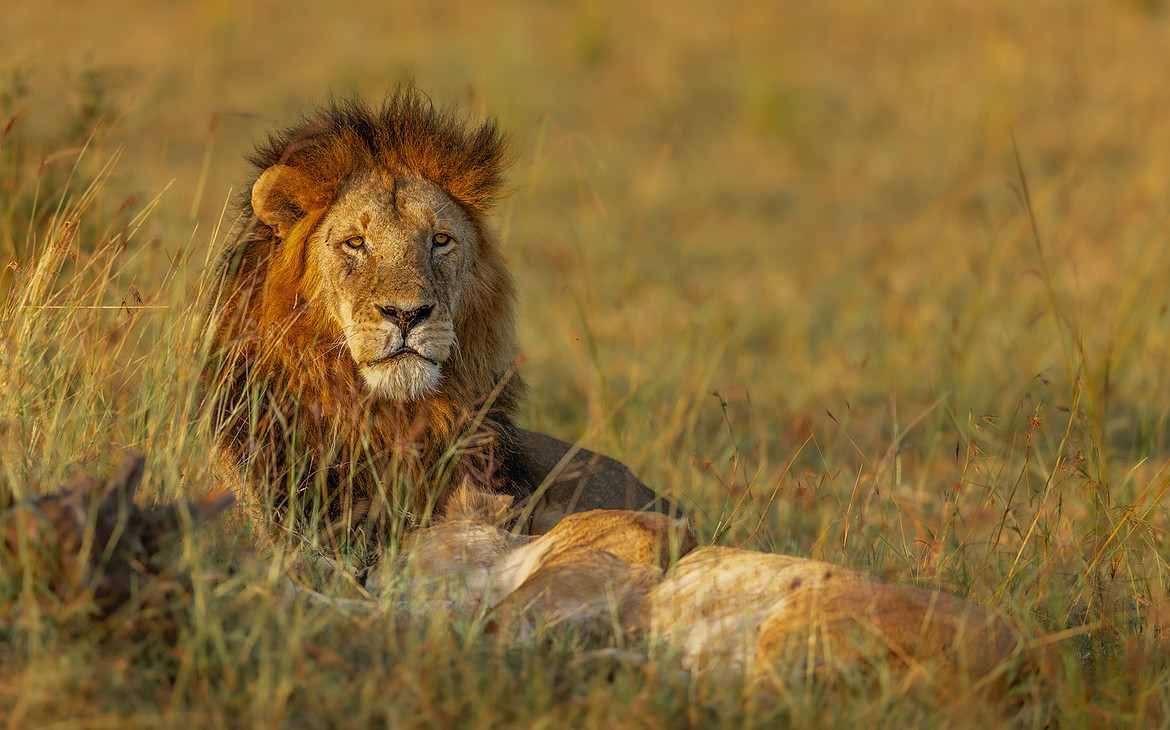
Peter Haygarth is a wildlife photographer with a lifelong passion for African animals. Based in the North East of England, he has travelled across Kenya, South Africa, Tanzania, Rwanda, Namibia, Zimbabwe and Botswana in pursuit of his subjects.
In 2019 one of his images was Highly Commended at the Natural History Museum’s Wildlife Photographer of the Year, chosen from 48,000 entries, and displayed at 10 Downing Street. In 2023 his footage of lions featured in the Natural History Museum of Paris’s “Felines” exhibition. Peter has generously donated a collection of his lion photographs to LionAid.
Paul Meek+
Paul Meek is a Big Cat photographer striving to create wildlife photographs that match his passion for the animals and the world they live in. Following a conservation trip in 2022 to Ol Pejeta Conservancy with the Big Cat Sanctuary UK as a volunteer, his passion for wildlife photography was kick-started and he has not looked back since. Having ventured out to Kenya every year, he has continued to focus on their famous Big Cats.
He believes that the natural world and wildlife's environment must be celebrated and protected. He aims to capture the beauty of the lions and create memories for others to enjoy whilst raising awareness for these special felines. In the future, Paul is targeting more countries where lion populations can be found across Africa and India.