
What We Do
Our aim is to protect and encourage the growth of wild lion populations in Africa.
CONSERVATION RESEARCH
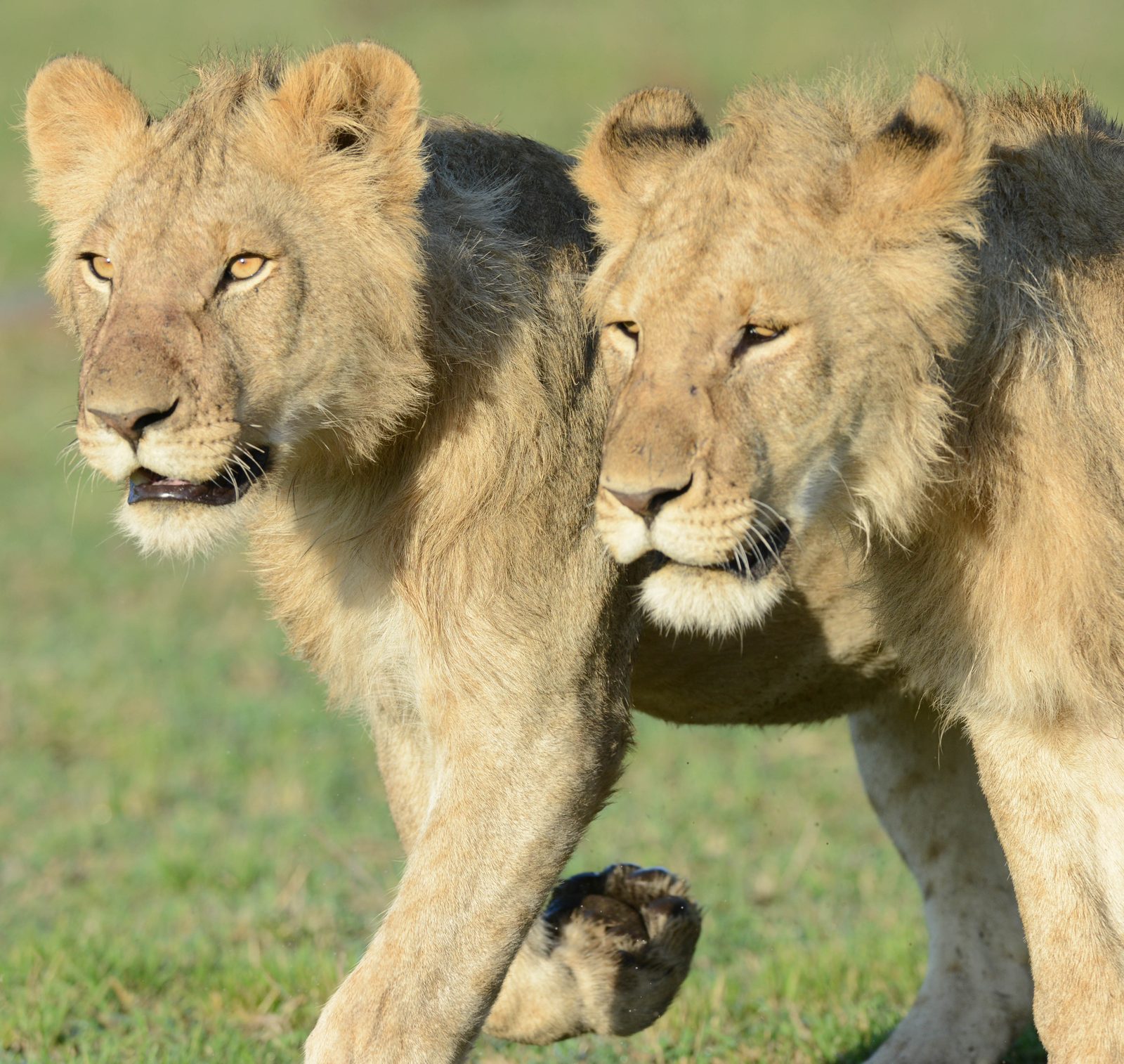
Our expertise in lion conservation set us apart, and research into how to best support wild lions is at the heart of what we do.
We work with African lion range states to urge them to conduct scientific lion population counts in their nations and declare lions nationally protected species. Also urge these nations to design and where necessary update their national lion conservation plans.
Provide guidance to African governments regarding the best way to safeguard wild lion populations and conduct research to best understand the natural threats to wild lion survival
You can learn more about our research, and download and read some research papers, here.
ENDING LION TROPHY HUNTING
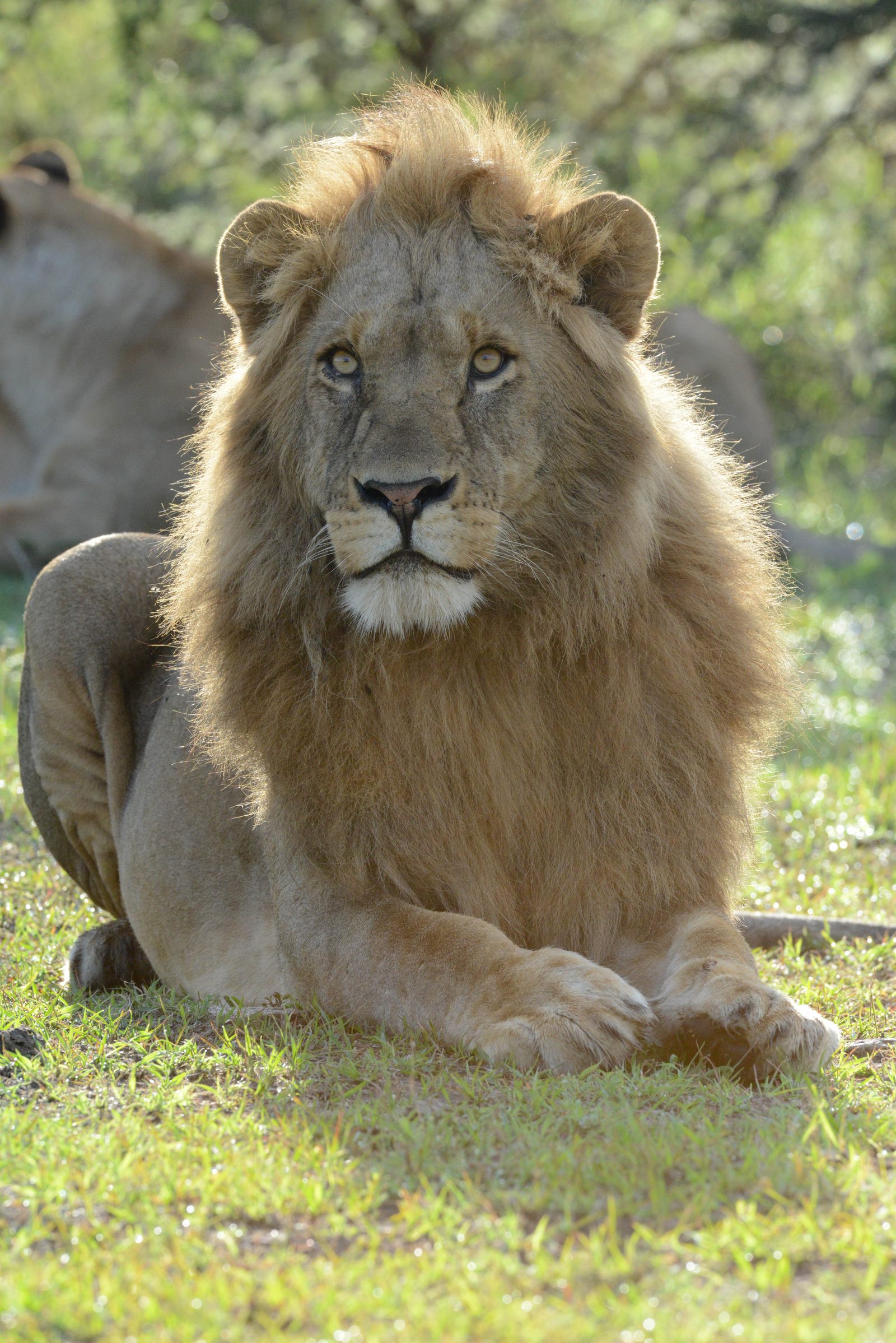
Lions are still being shot for sport and traded as trophies, and it is pushing some populations closer to extinction. European hunters account for more than 90% of the lion trophies imported from West Africa. West African lions are a critically endangered and genetically distinct subpopulation, and once they are lost they cannot be replaced.
LionAid has campaigned for years to stop this. We are pressing the UK Government to ban the import of lion trophies and lion products into Britain. That has meant a public petition, marches, and meetings with Ministers, MPs and the Associated Parliamentary Group on Animal Welfare, keeping lions on the agenda and pushing a ban forward.
This matters far beyond any single animal. In 2015 the killing of Cecil, a well known and much loved lion, became one of the most infamous trophy hunts in the world. Cecil was never imported into the UK, but his death showed millions of people what trophy hunting really means, and why it has to end.
Our position is straightforward: there should be no trade in lions or their parts at all. Lions are already too few and too fragile to be treated as a commodity, and the small, scattered populations of central and West Africa are declining fast. We are not asking for the trade to be better managed. We are asking for it to end, so lions can be left to live in the wild.
Sign our petition to ban lion trophy imports →
Read more
WORKING WITH AFRICAN COMMUNITIES
Protecting lions is not only about stopping the threats. It is also about helping people and lions live safely alongside each other. In Merrueshi in Kenya, we have worked with the local Maasai community to fit blinking lights around the perimeter fences of the six villages, known as manyattas, that we have equipped. The flashing lights deter lions and other predators at night, which protects the community’s livestock and the lions at the same time, because there is no longer a reason for revenge killings. Since the lights went in, no lions have been killed there over lost livestock. We have also brought lighting into the homes themselves, greatly improving daily life for families in these remote rural areas. It is a practical, local idea that the community leads, and exactly the kind of work we want to grow.
Read more
EDUCATION
We’re continually working to educate the general public as to what is actually happening to our top African predator; there remains an overwhelming lack of awareness of the huge decline of lions and contributory causes
Highlighting the cub smuggling trade which feeds the canned lion hunting industry and the pet trade, particularly to the United Arab Emirates
Discouraging zoos worldwide from keeping and breeding lions (to supply a stream of cute cubs to boost visitor numbers) and to particularly desist from breeding white lions which have no conservation value