Other Species

← Back to all blog posts

Other Species

new martin fowkes images

SOME EXCELLENT NEWS COMING OUT OF SOUTH AFRICA – A FIRST STEP TOWARDS THE END OF CANNED LION HUNTING IN THAT COUNTRY

A few days ago, Minister Creecy of the Department of Environment, Forestry and Fisheries in South Africa approved the recommendation by a High Level Panel (HLP) to ban the breeding of lions in captivity for trophy hunting and other commercial exploitation.
This Panel has been conducting research…

SOME EXCELLENT NEWS COMING OUT OF SOUTH AFRICA – A FIRST STEP TOWARDS THE END OF CANNED LION HUNTING IN THAT COUNTRY Read More »

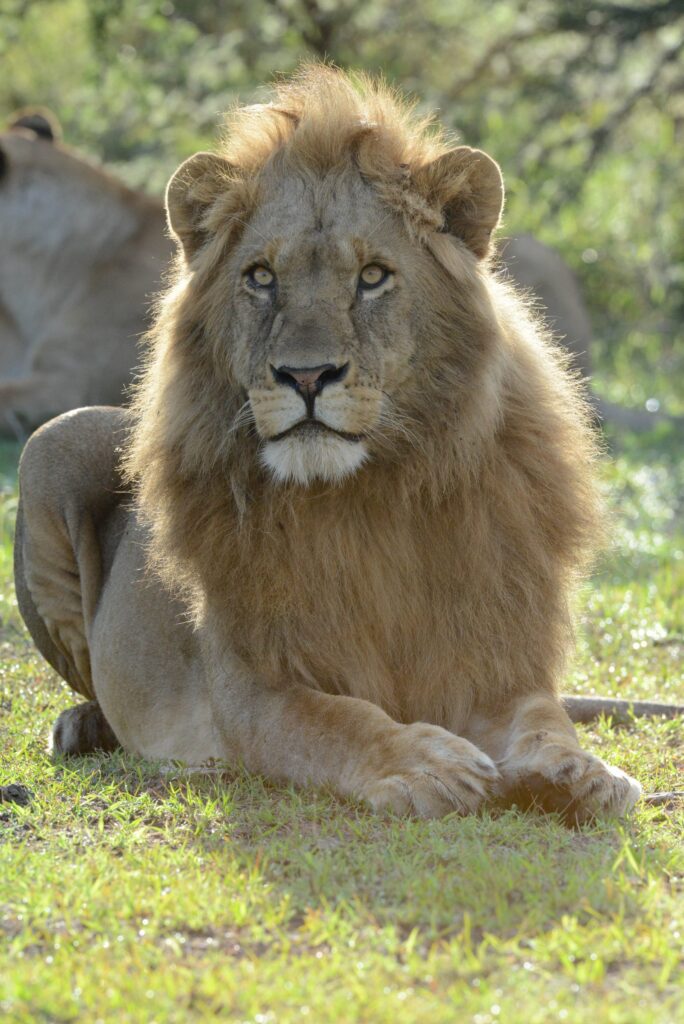
Adult male sitting 301

This year, WWF published, once again, their “Living Planet Index”

It shows an average 68% decrease in population sizes of mammals, birds, amphibians, reptiles and fish between 1970 and 2016.
Much quoted in the media, the 83 pages of the WWF (and Zoological Society of London) did not propose a better way forward. Overall, the report did document “impact” of humans…

This year, WWF published, once again, their “Living Planet Index” Read More »

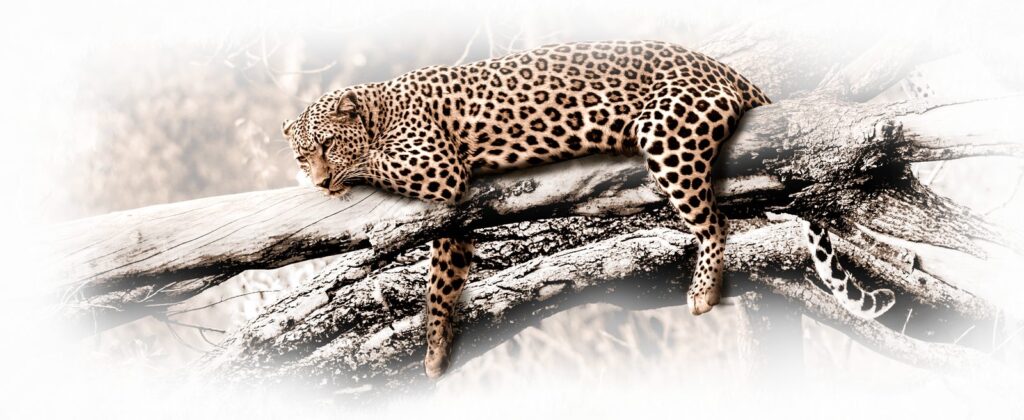
Leopard 4

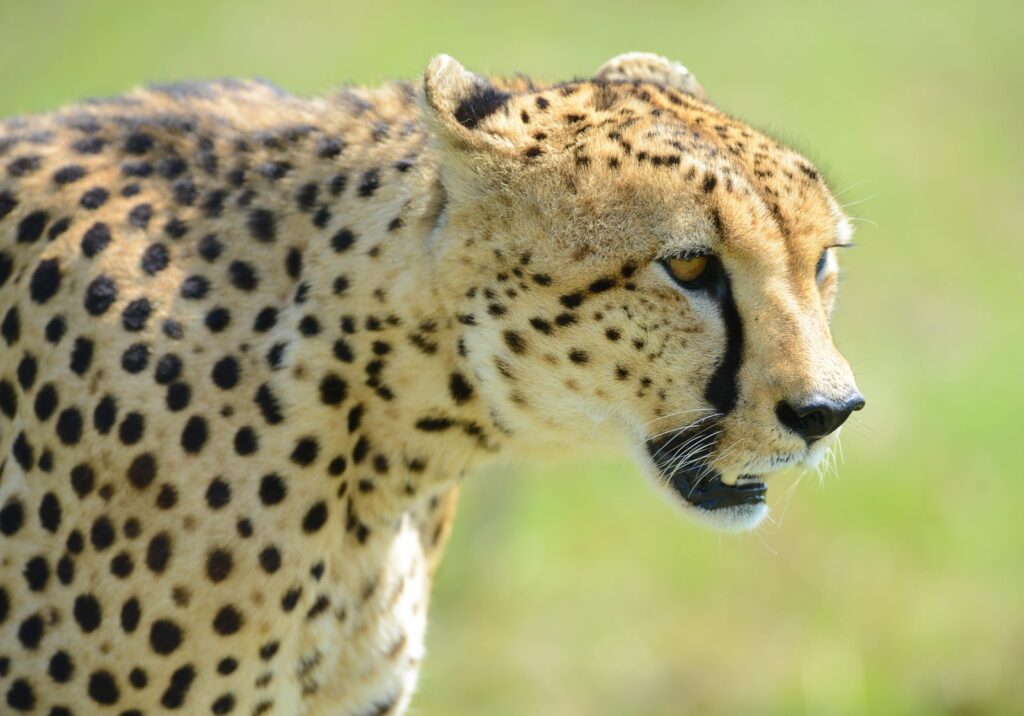
What is the most endangered large “cat” in the world?

Surely, one of the biggest contenders must be the Asiatic cheetah.
Recent publications reveal that “about 40” of these cheetahs survive in Iran. Years ago, the Asiatic cheetah ranged across northeast Africa, the Middle East, southern Asia – even India.
Genetic analyses reveal that there are at…

What is the most endangered large “cat” in the world? Read More »

martin fowkes photography

Trophy hunting of a highly vulnerable species – cheetahs

African cheetahs are considered “vulnerable” by the IUCN with a downward trend of population numbers. The US Fish and Wildlife Service has placed cheetahs on their “endangered” list, meaning that USA hunters cannot import cheetah trophies. CITES, while listing cheetahs on their Appendix I (no…

Trophy hunting of a highly vulnerable species – cheetahs Read More »

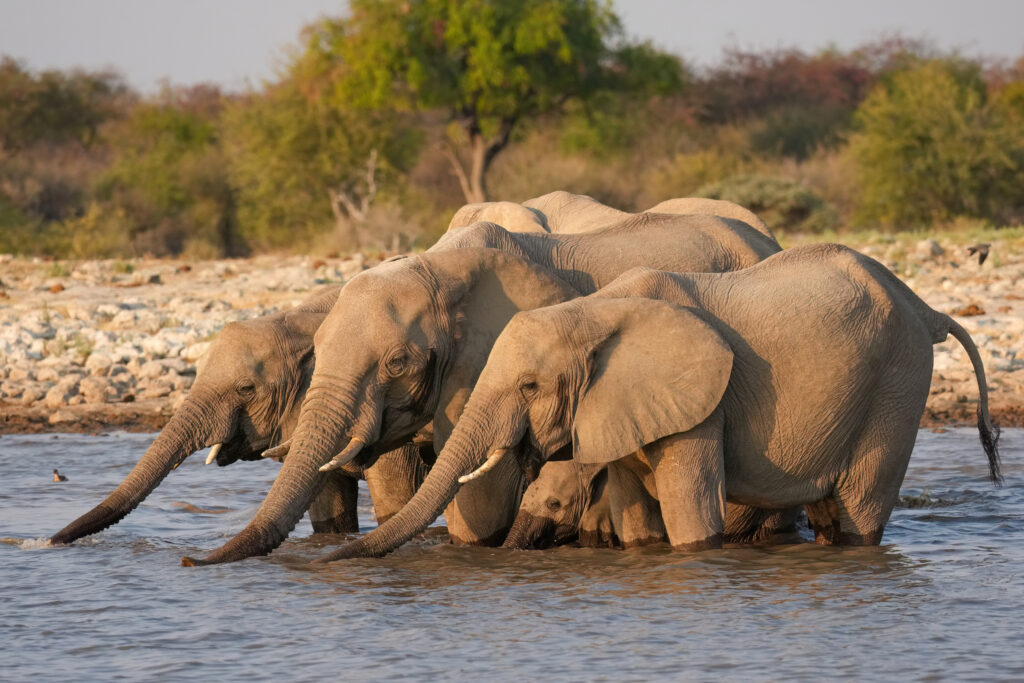
079 Herd of African bush elephants drinking in Etosha National Park Photo by Giles Laurent

UK Government public consultation on controls on the import and export of hunting trophies

The public consultation about the UK import and export of hunting trophies has now been launched and we urge everybody to take the time to return the questionnaire issued by the Government by the deadline of the 25th February 2020. The link to begin the consultation is here. This consultation is quite long, 15 questions

UK Government public consultation on controls on the import and export of hunting trophies Read More »

Ctl 072

The “animal rescue” and “sanctuary” business – how can we improve what is happening?

For sure, animal rescues from decrepit zoos, those in war zones, roadside attractions, circuses, private owners in Paris and Dubai – attract much attention and donations from kind hearted people. In the case of lions, such rescues start with appeals showing pictures of emaciated animals in small cages and similarly appalling conditions. Donors are then

The “animal rescue” and “sanctuary” business – how can we improve what is happening? Read More »

peter haygarth

South Africa’s cruel and widely condemned lion bone trade involves questionable business partners

The South African Department of Environmental Affairs recently signed off on an export quota of 1,500 lion skeletons, up from 800 skeletons they approved last year. The 800 quota derived from the 2016 CITES conference of parties, where a diversity of African nations placed a proposal to add African lion to CITES Appendix 1, prohibiting

South Africa’s cruel and widely condemned lion bone trade involves questionable business partners Read More »

lion-trophy-1475593997-8543239

Lion skeletons in the closet?

South African authorities now approve an annual sale of 1,500 lion skeletons from captive lion breeders to Asian buyers. Early yesterday morning, we were alerted by a number of sources that the number of lion skeletons to be sold to Asia from South Africa was to be increased from 800 (set in 2017) to a

Lion skeletons in the closet? Read More »

Male lion

Ethiopian lions – unique, genetically distinct and highly endangered.

Currently it is accepted that there are three genetically distinct groups of lions in the world – Indian lions, western African lions, and southern and eastern African lions. These genetic distinctions came about because of lion dispersal patterns out of Africa and subsequent differentiation. It is well-established that thousands of years ago, lions roamed across

Ethiopian lions – unique, genetically distinct and highly endangered. Read More »

Martin fowkes male lion drinking

The A B C D E F G and H of needs and concerns for wild lion conservation.

A recent report estimated that the geographic range of lions in Africa has declined by something like 94% over the years. LionAid has long been concerned about this free-fall decline, and we would like to list some of the reasons. Unlike other organizations we estimate that there are no more than 13,000-14,000 wild lions (in

The A B C D E F G and H of needs and concerns for wild lion conservation. Read More »

Lionesses and cubs

Saving Ethiopia’s Unique Lion Heritage – a LIONAID project

Did you know that some Ethiopian lions are highly likely to be an as yet unidentified and highly important new sub-species of lion and at the present time have probably less than five years before extinction? This new sub species has already been identified from lions currently residing in the Addis Ababa zoo and with

Saving Ethiopia’s Unique Lion Heritage – a LIONAID project Read More »