Human/Wildlife Conflict

← Back to all blog posts

Human/Wildlife Conflict

White-backed vulture (Gyps africanus) landing composite

Poisoned Zebra Carcass Kills at Least 30 Vultures Near Botswana’s Nxai Pan

At least 30 vultures have died near Phuduhudu Village, neighbouring Nxai Pan National Park in Botswana, after feeding on a poisoned zebra carcass, according to Safari360 Botswana. The Department of Wildlife and National Parks (DWNP) is investigating. The poison was almost certainly placed to kill predators — lions, leopards, or hyenas preying on local livestock.

Poisoned Zebra Carcass Kills at Least 30 Vultures Near Botswana’s Nxai Pan Read More »

Elefantes africanos de sabana (Loxodonta africana), parque nacional de Chobe, Botsuana, 2018-07-28, DD 25

The Uncomfortable Truth About Trophy Hunting: The Numbers the Documentary Left Out

A new documentary calls trophy hunting ‘not black and white’. We agree, but the evidence is worse than the film lets on. Point by point, with the figures: the revenue that never arrives, the land the industry has abandoned, the collapse ‘it pays it stays’ has presided over, and the way ‘culling’ is used to sell the hunt.

The Uncomfortable Truth About Trophy Hunting: The Numbers the Documentary Left Out Read More »

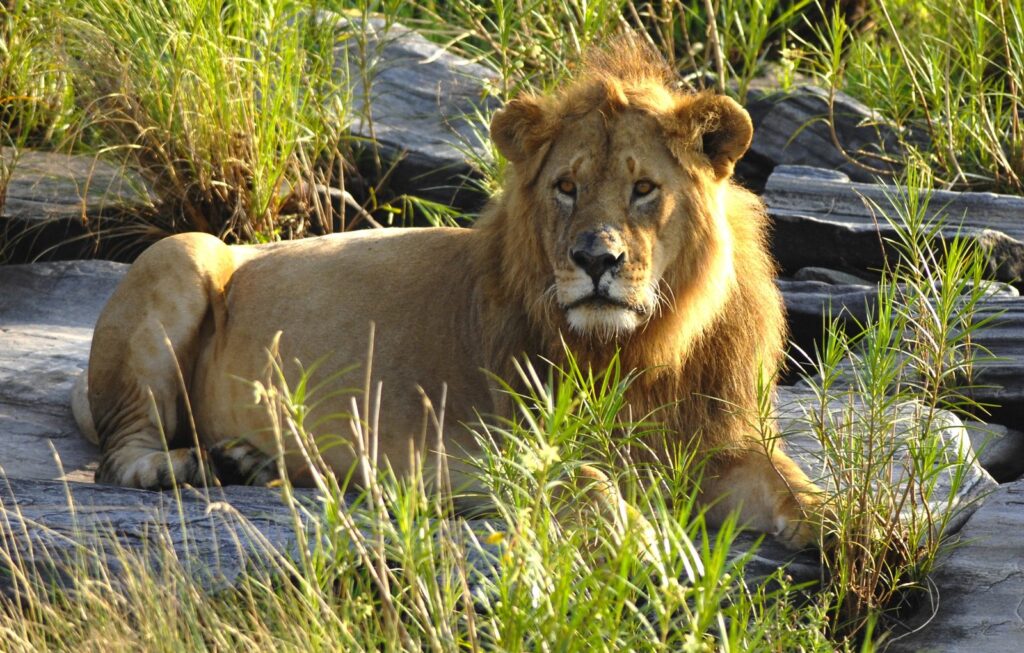
Adult male lion with a full mane resting in the grassland. Photograph by Martin Fowkes.

How many wild lions left on the entire African continent?

Last week, we published our 2025 Synthesis of Lion Numbers in Africa and Range States’ Capabilities to Conserve their Lion Populations.
The figures presented revealed an estimated total of 13,014 lions in eastern and southern Africa. Furthermore, they reported a critically low figure of 342 lions…

How many wild lions left on the entire African continent? Read More »

Africa 4 jpeg 063 watermarked

A 2025 Synthesis of Lion Numbers in Africa and Range States’ Capabilities to Conserve their Lion Populations

© Lion Aid Limited, 20 May 2025
Abstract
The LionAid 2025 compilation of lion populations remaining in Africa estimates a total of 13,014 lions in eastern and southern Africa and 342 in western and central Africa where resident lions are highly genetically distinct.  This is a substantial decrease…

A 2025 Synthesis of Lion Numbers in Africa and Range States’ Capabilities to Conserve their Lion Populations Read More »

3 young adult males707

Mortality among African lion populations is caused almost exclusively by human-related causes.

Directly or indirectly, the African wild lion population, already decreasing in numbers across the continent, remains under great threat from human-mediated (anthropogenic) causes. Below is a short list of such anthropogenic sources of mortality, some direct, some indirect, and reasons why LionAid is concerned about the rather complacent attitude taken by local authorities and international

Mortality among African lion populations is caused almost exclusively by human-related causes. Read More »

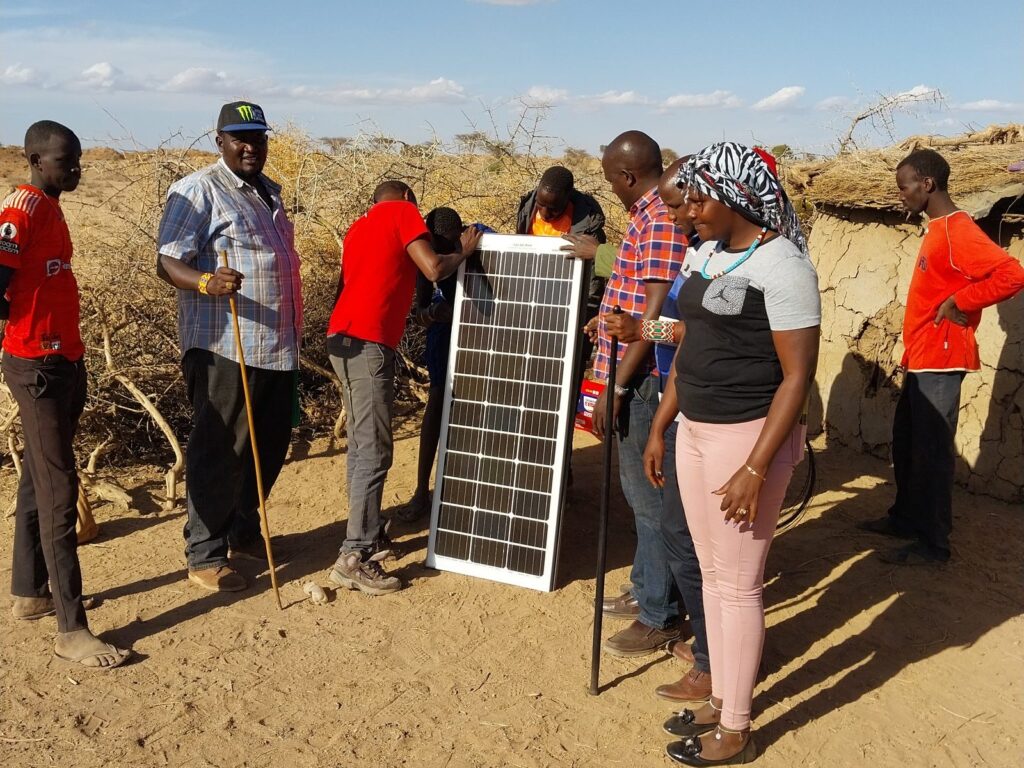
The Merrueshi community gathered round the first solar panel to be installed, Merrueshi project, Kenya

LionAid’s Merrueshi Maasai Community project exceeds all expectations

“Imagine fearfully the night falling and then rolling the dice as to the chance that your livestock livelihood could be destroyed?”
SUMMARY
1. LionAid can report ZERO predation on livestock in Maasai manyattas (villages) equipped with anti-predator solar lights, and ZERO predator retaliation…

LionAid’s Merrueshi Maasai Community project exceeds all expectations Read More »

The Merrueshi community gathered round the first solar panel to be installed, Merrueshi project, Kenya

The new LionAid wildlife conservation formula

We at LionAid have long advocated for a new wildlife conservation formula involving local communities
The beginning
Our programme, jointly conceived with Maasai Elders across Kenya, has paid dividends to assist a rural Kenya community to protect their livestock while living with lions. The…

The new LionAid wildlife conservation formula Read More »